
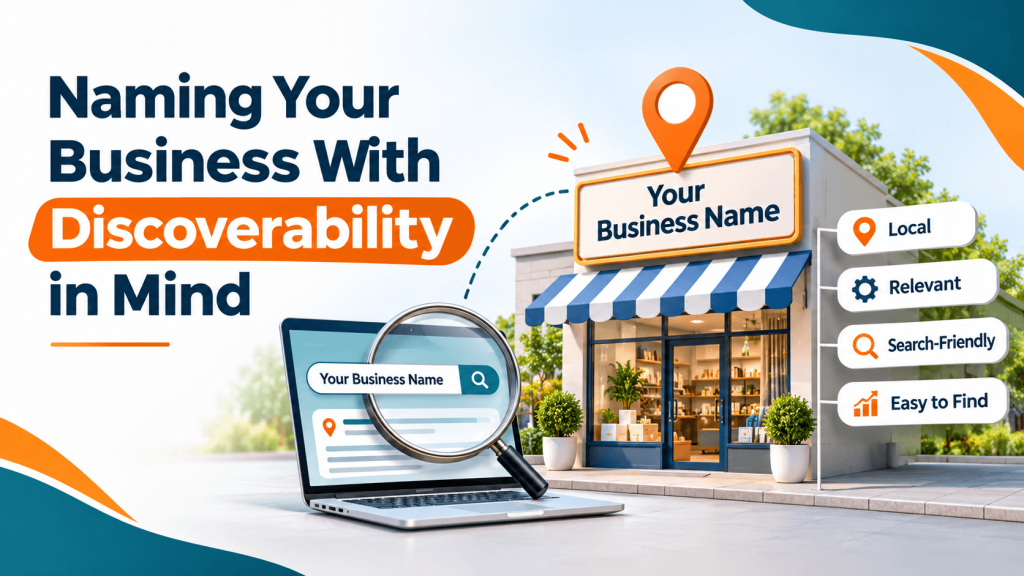
A new gift shop owner picks a clever name with an unusual spelling. It looks great on the sign, but customers who hear it by word of mouth cannot spell it when they search. Others confuse it with an established shop across town with a similar name. The clever name turns into a daily obstacle.
Your business name affects how easily people can find you. A little research before deciding prevents years of confusion.
Make It Easy to Say, Spell, and Remember
Say your proposed name out loud to a few people and ask them to spell it. If most get it wrong, customers searching after a referral will too. Avoid numbers that could be written as words, odd spellings, and hyphens that people forget. Shorter names are generally easier to remember and type.
Think about how the name sounds when someone answers your phone.
Also consider how the name will grow with you. A shop named after a single product line may feel limiting if you expand into new categories later. A name tied to a specific street may feel odd if you move. Choose something flexible enough to fit the business you hope to become.
Check Availability and Conflicts
Search the name on Google, Google Maps, and social platforms to see whether similar businesses exist nearby or in your industry. Check domain availability and social media handles. Search your state’s business registry and the U.S. Patent and Trademark Office database, and consider consulting an attorney about trademark conflicts.
Retail shops in crowded categories face this challenge often. A new store browsing the Gifts category on Weebo can quickly see whether local competitors already use similar words in their names.
Avoid Keyword-Stuffed Names
Some owners consider names packed with service and city words, such as “Best Cheap Gift Shop Springfield.” A name like that can feel generic and hard to build into a memorable brand. If you register it legally and use it on your signage, platforms may accept it, but adding keywords to a listing that are not part of your real name violates Google’s guidelines.
A distinctive name plus clear categories and descriptions usually serves you better.
Conclusion
The best business names are easy to say, spell, and search, and they do not collide with existing brands. Test names with real people, check availability carefully, and avoid keyword stuffing. Once you decide, use the exact same name everywhere, from your signage to your profiles and directories like Weebo.
Frequently Asked Questions
Should my business name include my city?
It can help customers understand where you operate, but it may limit you if you expand. If you include it, make it part of your legal and real-world name. Never add a city to your listing name if it is not part of your actual business name.
How do I check if a business name is trademarked?
Search the U.S. Patent and Trademark Office’s trademark database and your state’s business registry. Also search the web and map platforms for unregistered businesses using similar names. Consult a trademark attorney for a thorough clearance search before committing.
Does my domain need to match my business name exactly?
An exact or close match is easiest for customers to remember. If your exact name is unavailable, choose a simple variation, such as adding your city or service. Avoid confusing spellings or extra hyphens that people may forget.
Can I change my business name later?
Yes, but rebranding takes effort: updating signage, listings, social profiles, domains, and customer awareness. Choosing carefully at the start saves time and money. If you do change it later, update every profile consistently and explain the change to customers.